The Role of Climate in Garden Planning
Understanding the role of climate in garden planning is crucial for anyone looking to cultivate a successful garden. This article explores how various climatic factors can influence your gardening choices and offers practical insights for seasonal gardening schools across the US.
Understanding Climate Zones
In the United States, the USDA Plant Hardiness Zone Map is a commonly referenced tool that divides the country into different climate zones. According to the USDA, these zones are determined by the average annual minimum winter temperature, which helps gardeners choose plants that are most likely to thrive in their specific area. For example, plants suited for Zone 5 may not survive the harsher winters of Zone 3.
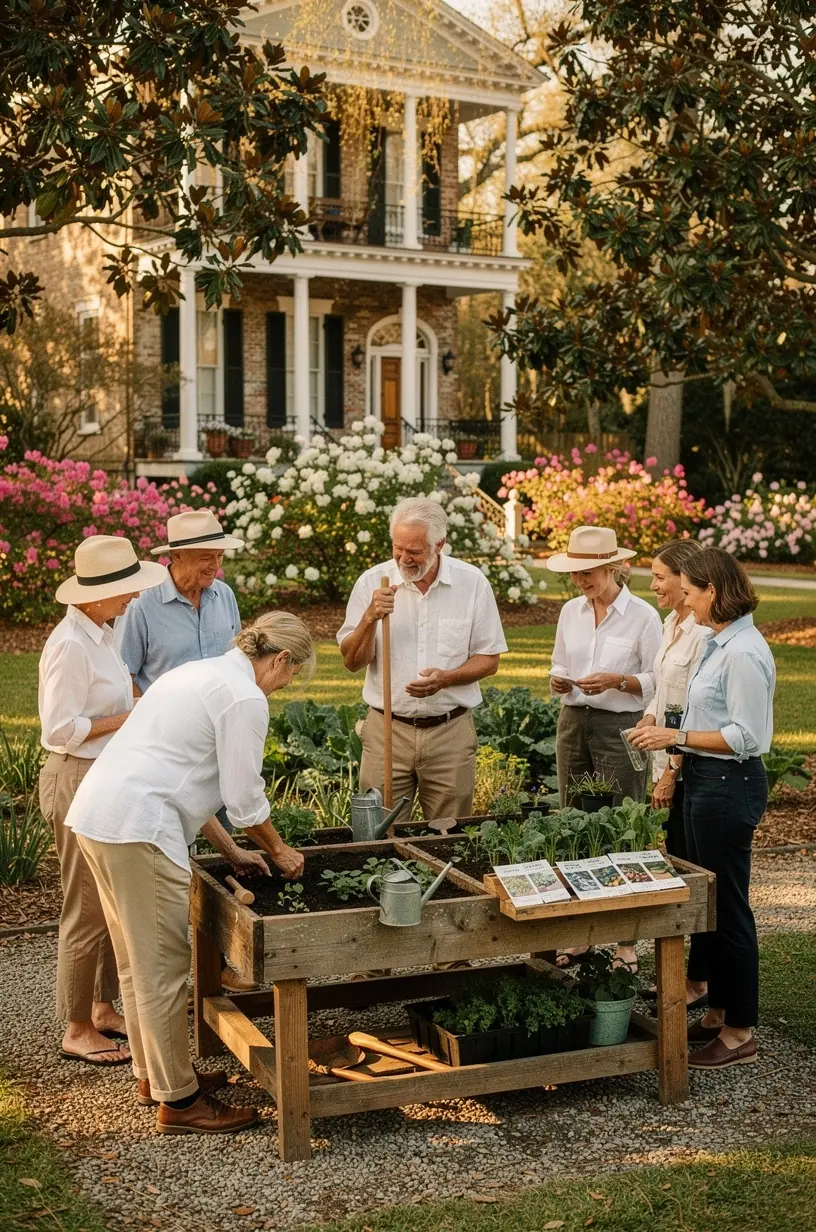
"Selecting plants that are appropriate for your climate zone can significantly improve your gardening success rate." - Garden Experts
Seasonal Considerations
Different seasons present unique challenges and opportunities for gardeners. Here’s how climate typically affects gardening throughout the year:
- Spring: Often a time for planting cool-weather crops such as lettuce and peas. Research indicates that starting seedlings indoors can extend the growing season by several weeks.
- Summer: High temperatures may require careful attention to watering schedules. Studies show that mulching can help retain soil moisture and protect delicate roots.
- Fall: This season is perfect for planting perennials and preparing for winter. Experts recommend using cover crops to enhance soil health during the colder months.
- Winter: While many assume gardening stops, winter gardens can thrive with the right planning, such as utilizing cold frames or greenhouses to protect plants from frost.
Microclimates and Local Variations
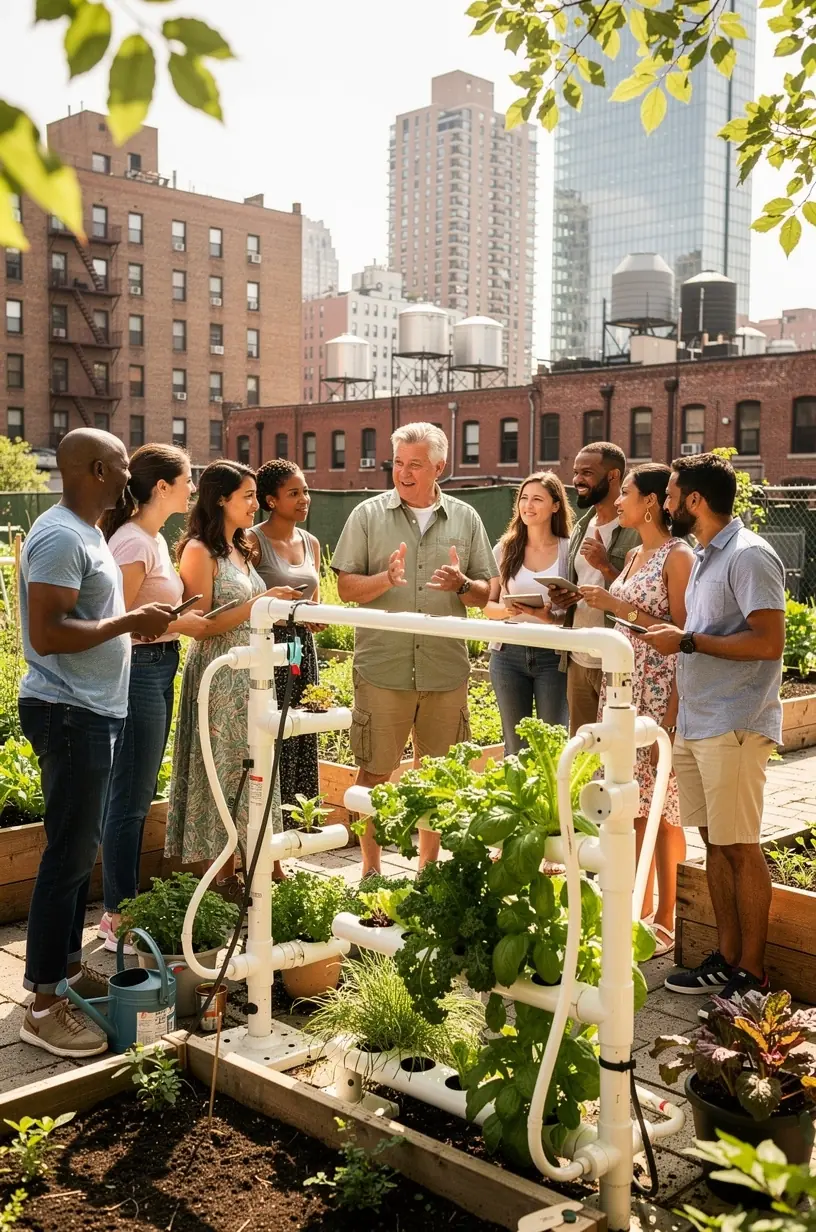
Within broader climate zones, microclimates can significantly impact gardening success. These localized climate conditions can result from factors such as elevation, proximity to water bodies, and urban heat. For instance, urban areas often experience higher temperatures than surrounding rural zones, which can lead to extended growing seasons. Thus, understanding your garden's microclimate can guide your plant selection and gardening techniques.
Practical Tips for Effective Garden Planning
Here are some actionable strategies to consider when planning your garden based on climate:
- Research and select plants: Choose species that are well-suited to your climate zone and local conditions. Many gardening resources and extensions provide lists of recommended plants.
- Monitor weather patterns: Keeping track of seasonal weather changes can help you adjust your planting and care schedules effectively. Many gardeners report better outcomes when they remain flexible and responsive to climate shifts.
- Utilize protective measures: Depending on your region’s climate, consider using row covers, shade cloths, or frost blankets to protect your plants from extreme temperatures.
Conclusion
Incorporating climate considerations into your garden planning can lead to more productive and resilient gardens. While understanding your hardiness zone is a great starting point, it’s essential to also pay attention to seasonal changes and microclimates. By employing the strategies discussed, you can enhance your gardening experience, ensuring that your efforts yield fruitful results throughout the year. Remember, successful gardening is often a blend of knowledge, preparation, and adaptability.