Building Community Through Gardening Programs
Gardening can be more than just a hobby; it can serve as a powerful tool for community building. Through structured gardening programs, individuals can connect, share knowledge, and create lasting relationships. This article explores how seasonal gardening schools promote community engagement and enhance social interaction among participants.
Understanding the Benefits of Community Gardening
Community gardening typically involves collaborative gardening efforts, where individuals come together to plant, cultivate, and harvest crops. According to research published in the Journal of Community Health, participation in community gardening can strengthen social ties and enhance community cohesion. This works because gardening fosters teamwork and shared goals, enabling participants to communicate and collaborate effectively.
"Engaging in community gardening not only provides fresh produce but also nurtures relationships among neighbors, contributing to overall community well-being." - Community Gardening Expert
How Gardening Programs Foster Connections
Structured gardening programs often include various activities that encourage interaction. Here are some ways these programs can help build a sense of community:
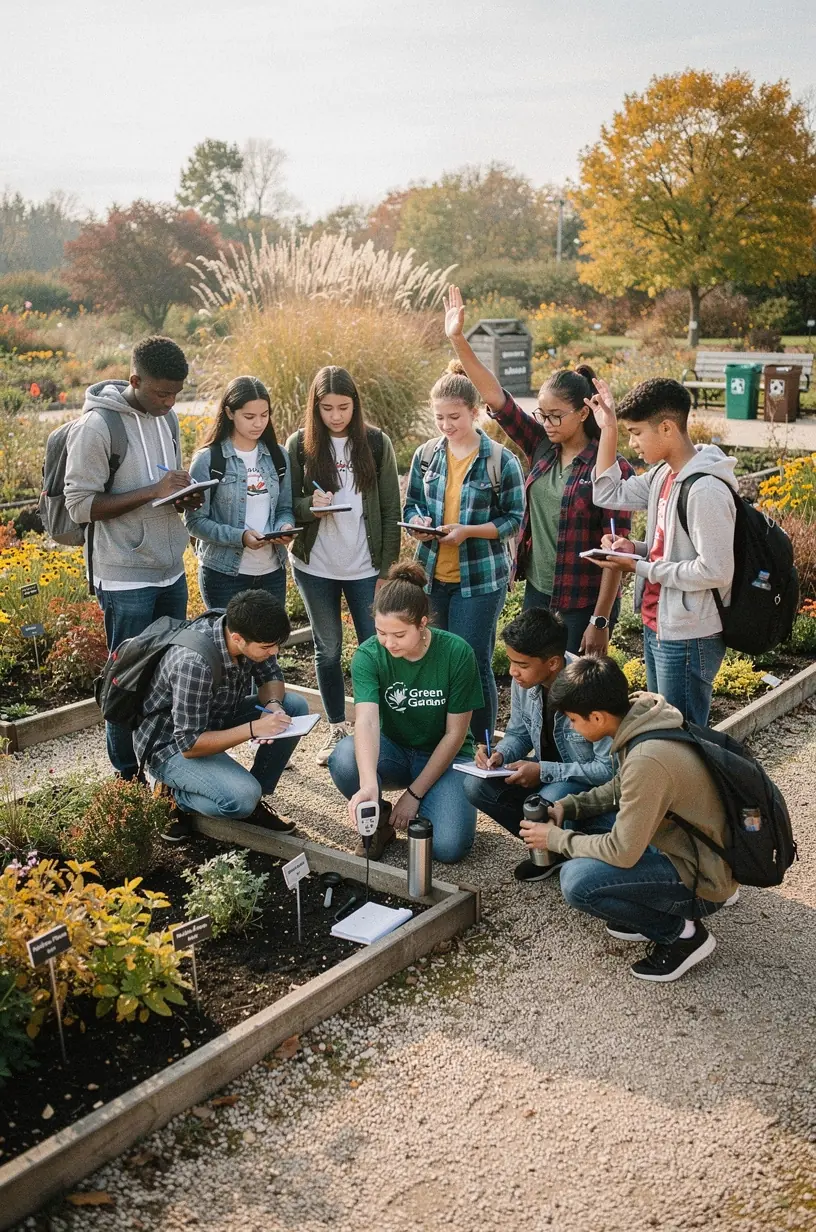
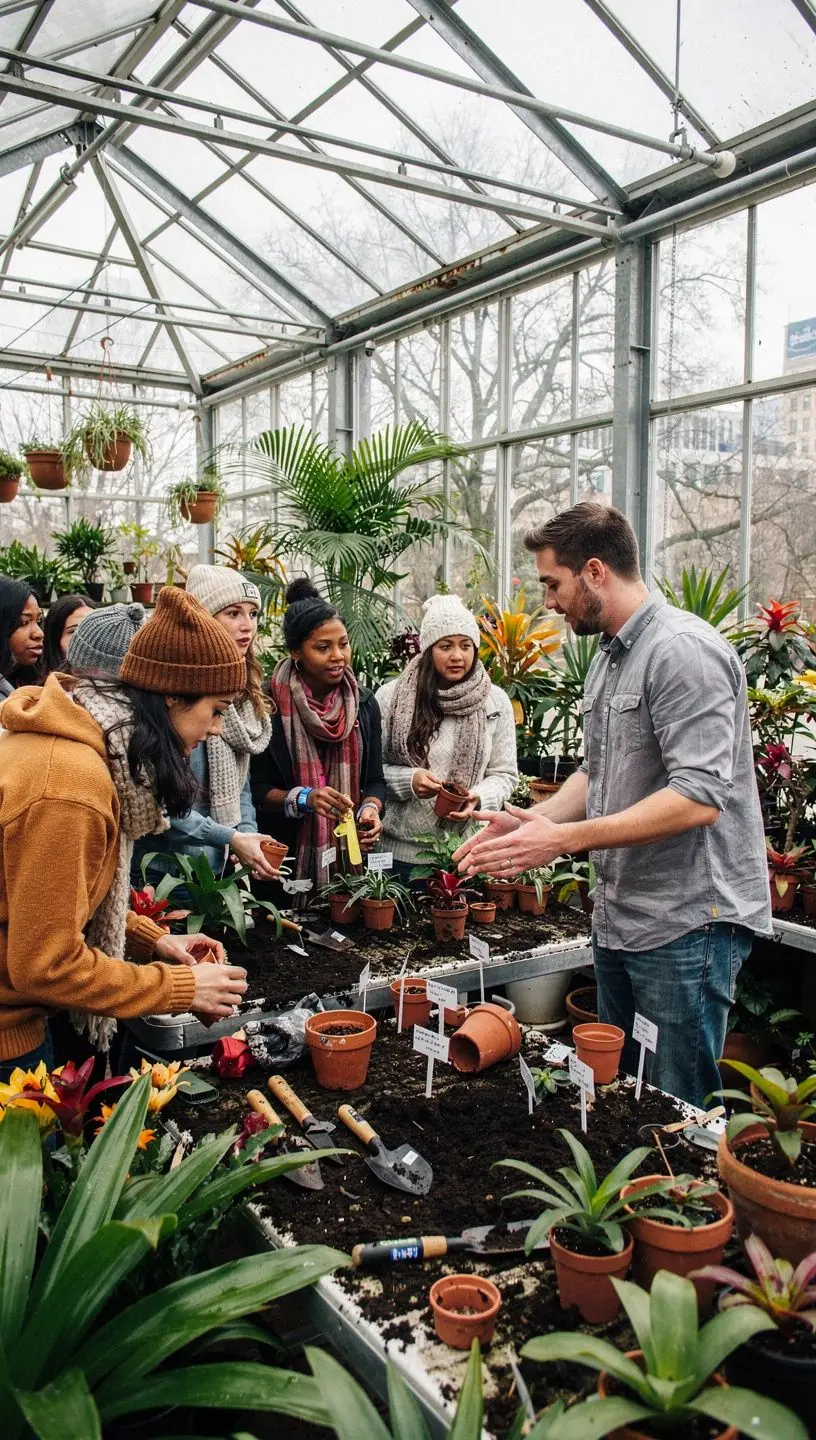
- Workshops and Classes: Many gardening schools offer workshops on topics such as organic gardening, pest management, and seasonal planting techniques. These educational sessions provide opportunities for participants to learn from one another, share tips, and ask questions.
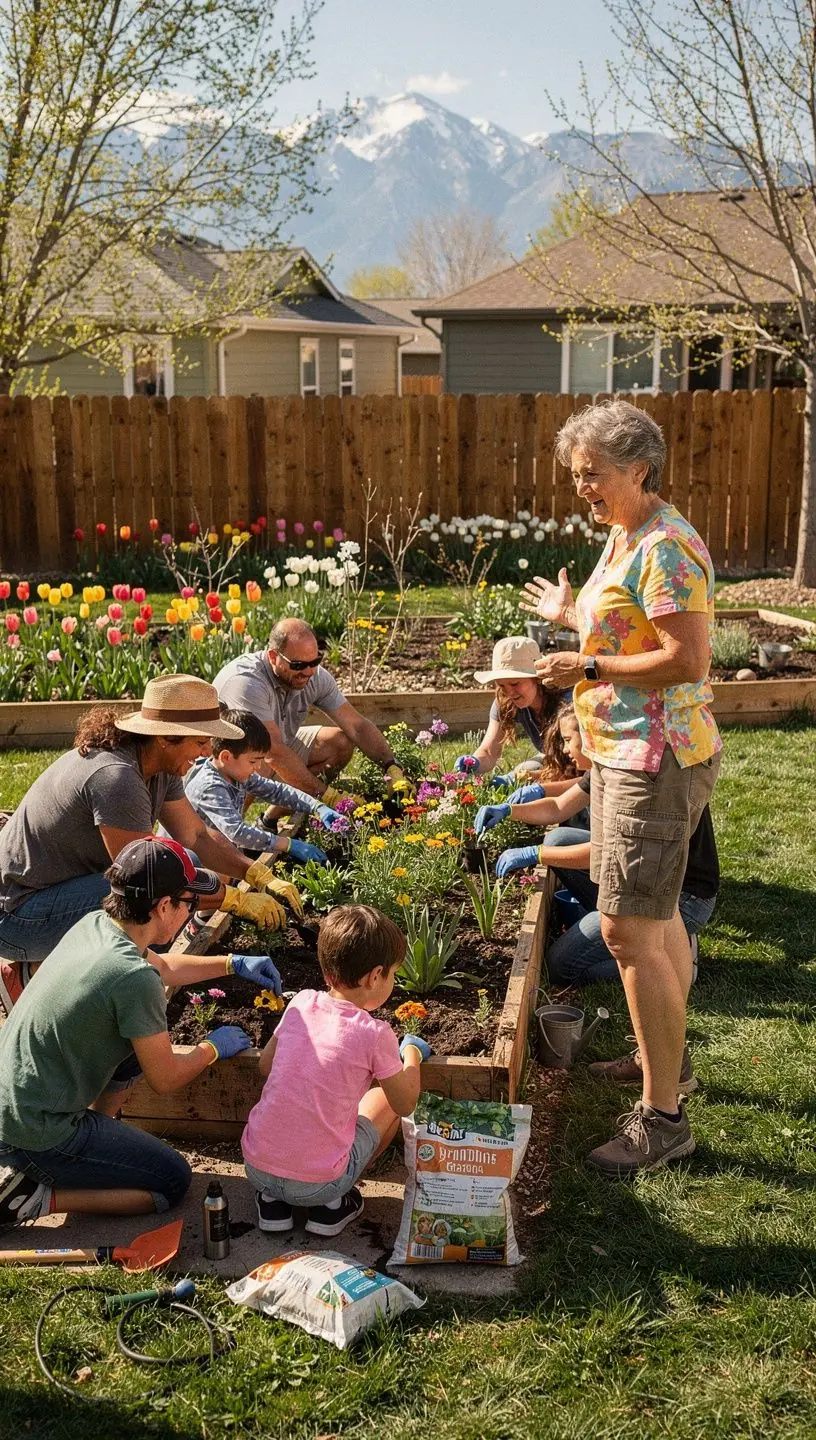
- Collaborative Projects: Participants often engage in group projects, such as building raised beds or creating community gardens. This collaborative effort not only enhances gardening skills but also promotes teamwork and camaraderie.
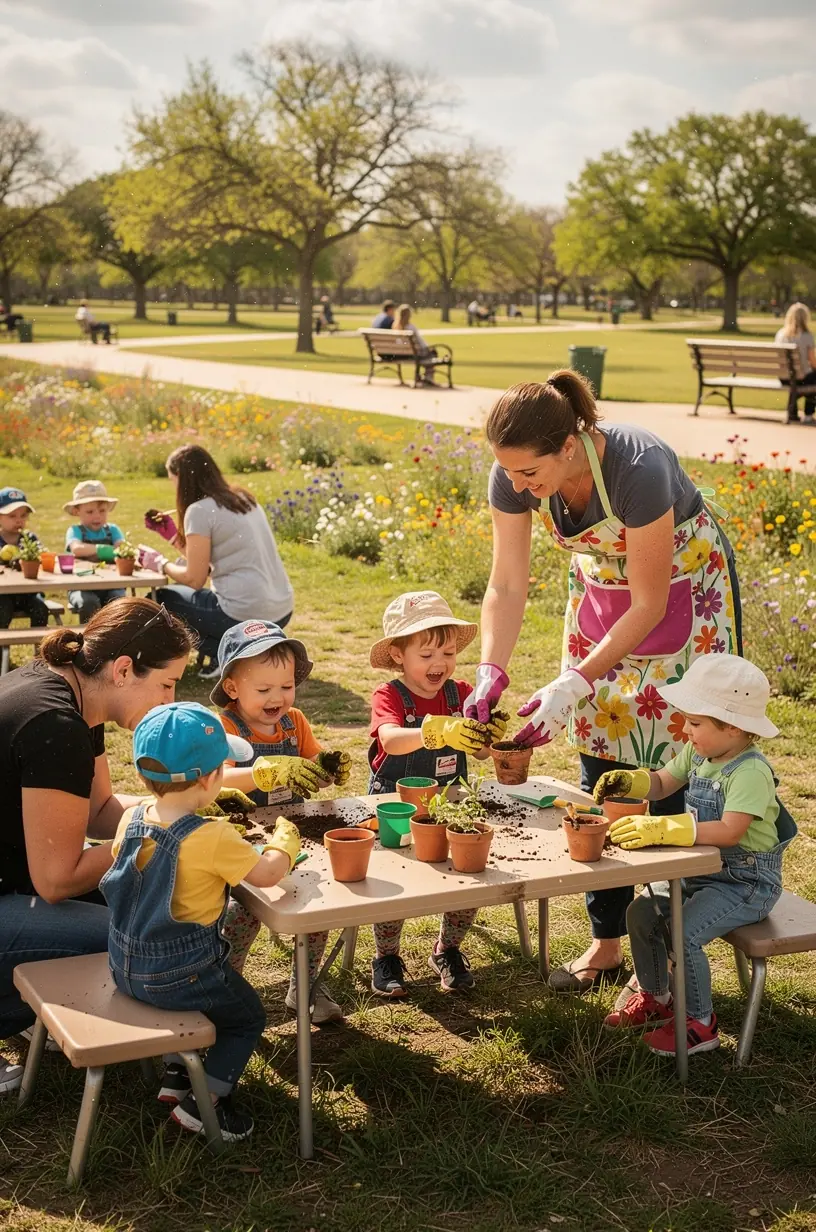
- Social Events: Seasonal gardening schools typically host events like harvest festivals or plant swaps. These gatherings allow participants to celebrate their successes, share produce, and foster relationships beyond the garden.
Challenges and Considerations
While community gardening offers numerous benefits, there are some limitations and challenges to consider:
- Time Commitment: Participating in a community gardening program often requires a commitment of a few hours each week, which may not be feasible for everyone.
- Learning Curve: New gardeners may face challenges in understanding gardening techniques and practices. Therefore, it is beneficial for programs to provide clear guidance and support.
- Access to Resources: In some areas, access to gardening supplies and land may be limited. Programs that partner with local organizations can help alleviate this issue.
Conclusion
Community gardening programs can serve as effective platforms for building relationships and fostering a sense of belonging. By engaging in collaborative gardening efforts, individuals can develop meaningful connections and improve their well-being. As research indicates, the benefits of participating in these programs extend beyond the garden, enriching the social fabric of communities across the U.S. For those looking to connect with others while exploring the joys of gardening, local seasonal gardening schools provide a reliable starting point.
Learn More