Essential Skills for Gardening Educators
Gardening educators play a crucial role in cultivating knowledge and skills in aspiring gardeners. To be effective, educators must develop specific competencies that not only enhance their teaching but also support the growth of their students. This article outlines the essential skills required for gardening educators, along with practical insights into cultivating these skills.
Understanding the Role of a Gardening Educator
According to research from the American Horticultural Society, effective gardening educators are characterized by their ability to communicate complex horticultural concepts in accessible ways. This means that educators must not only understand gardening practices but also possess strong teaching skills that foster engagement and learning.
"Effective gardening educators are those who can translate scientific knowledge into practical, hands-on applications." - Horticultural Research Journal
Key Skills for Gardening Educators
1. Knowledge of Horticultural Science
A solid understanding of horticultural science is fundamental. This includes knowledge about plant biology, soil science, pest management, and environmental factors affecting plant growth. Studies show that educators who integrate scientific principles into their instruction can significantly improve student outcomes.
2. Communication and Teaching Skills
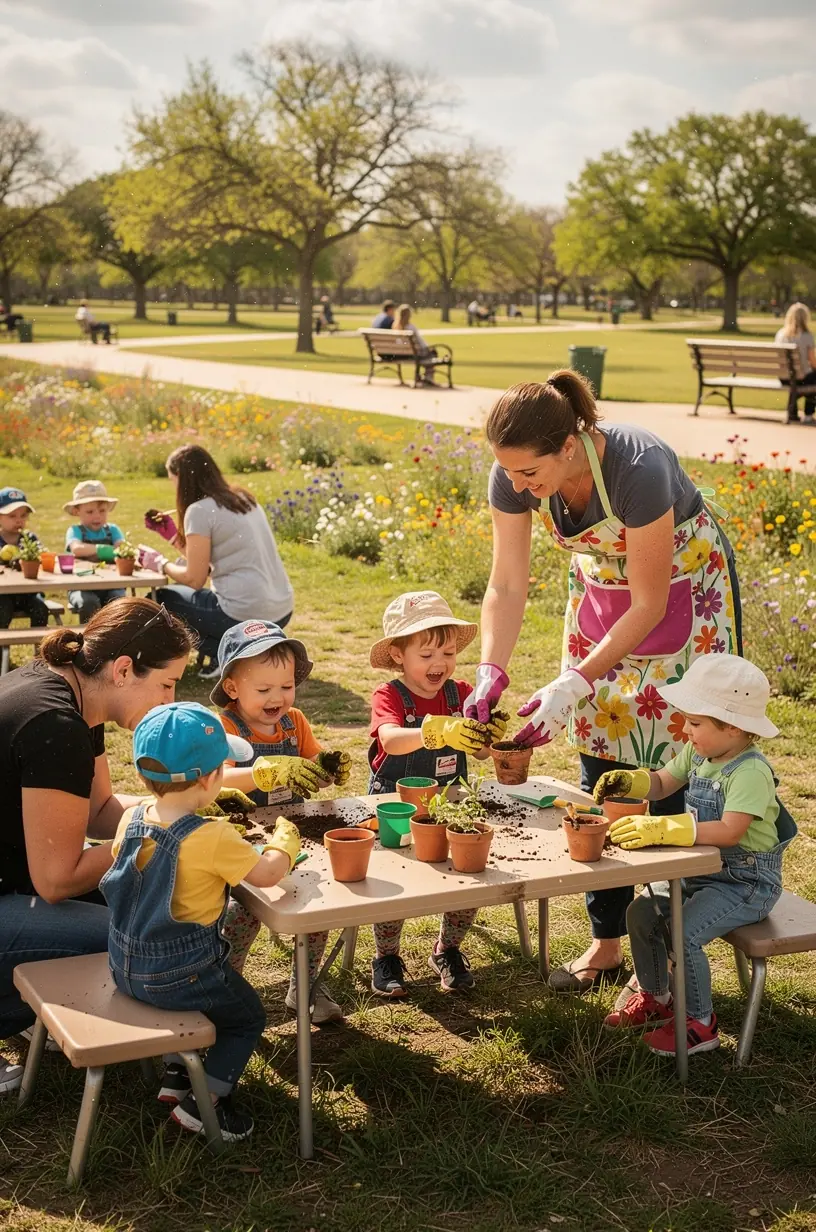
Effective communication is vital. Gardening educators should be able to break down complex information into understandable segments. Techniques such as active learning, where students engage in hands-on activities, often lead to better retention of information. In most cases, educators who employ diverse teaching methods report higher engagement levels among their students.
3. Adaptability and Problem-Solving
Gardening is not without its challenges, from unpredictable weather to pest outbreaks. Educators must be adaptable and capable of problem-solving to guide their students through these issues. This flexibility can help create a more resilient learning environment.
Practical Strategies for Development
- Participate in Professional Development: Many educators benefit from workshops and courses that offer new insights into horticultural practices and teaching methodologies. These opportunities often require a commitment of 2-4 days but can yield substantial benefits.
- Engage with the Gardening Community: Networking with other educators and professionals in the field can provide valuable resources and support. Joining local gardening clubs or attending industry conferences is a great way to develop this skill.
- Implement Feedback Mechanisms: Gathering feedback from students can help educators refine their teaching methods. This may involve regular surveys or informal discussions about what works and what doesn’t.
Acknowledging Limitations
While developing these skills is beneficial, it is important to recognize the time and effort involved. Mastering horticultural science typically takes years of study and practice, and effective communication skills often require ongoing refinement. Educators must be prepared for a learning curve as they integrate these competencies into their teaching.
Conclusion
Becoming a proficient gardening educator involves a blend of horticultural knowledge, effective communication, and adaptability. By focusing on these essential skills and employing practical strategies for development, educators can enhance their teaching effectiveness and better support their students’ growth. Remember that the journey to becoming an effective educator is ongoing and requires dedication and a willingness to learn.