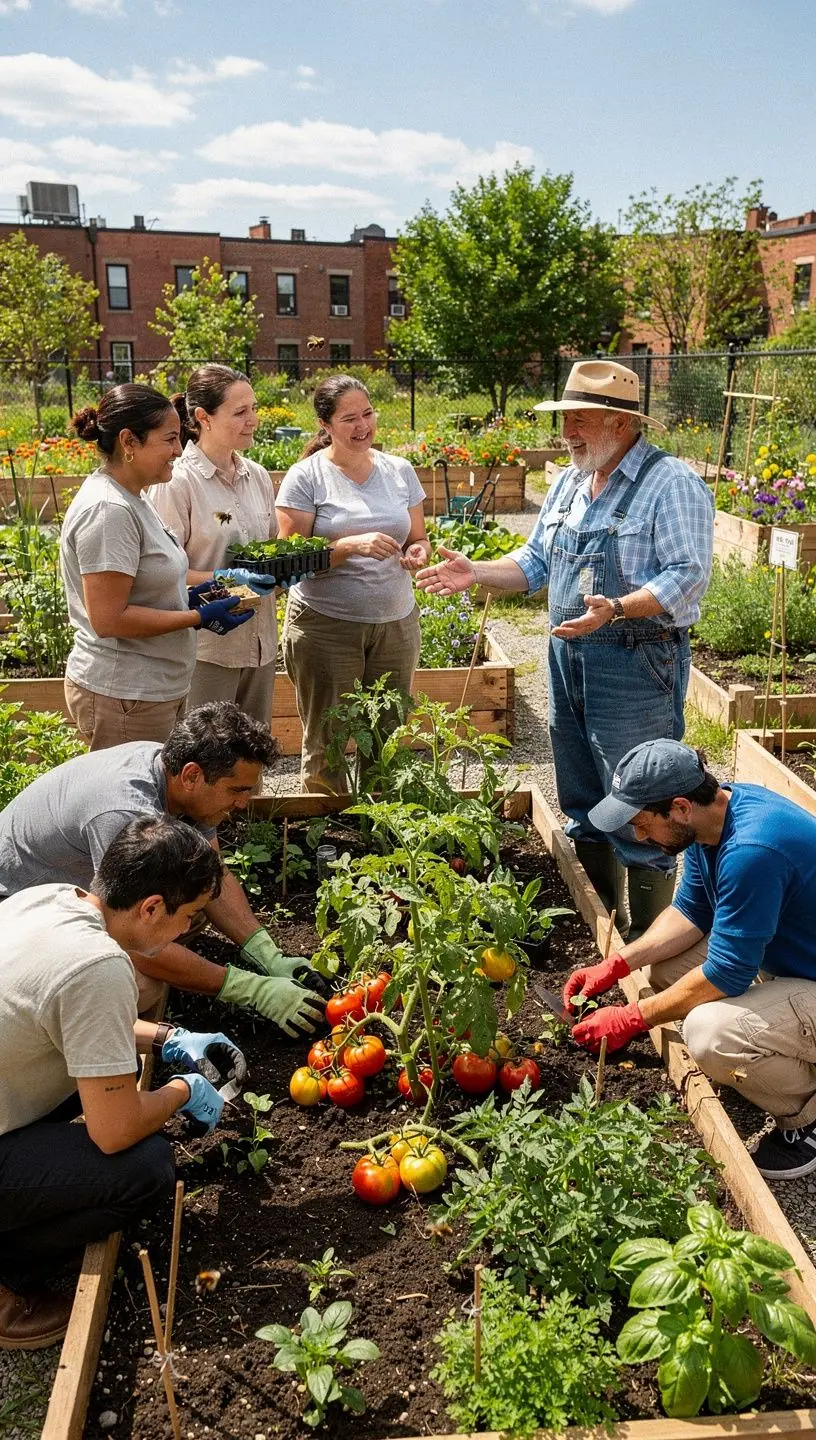
Practical Techniques for Soil Preparation
Soil preparation is a critical step in successful gardening, influencing plant health and productivity. Understanding effective techniques for preparing soil can significantly benefit your gardening efforts, particularly in the diverse climates across the U.S.
Understanding Soil Composition
Soil is a complex ecosystem consisting of minerals, organic matter, water, and air. According to the U.S. Department of Agriculture (USDA), healthy soil is the foundation of a productive garden. Soil composition typically varies by region, which can affect how gardeners approach preparation. For instance, sandy soils drain quickly but may not retain nutrients, while clay soils can retain water but may require amendments to improve aeration.
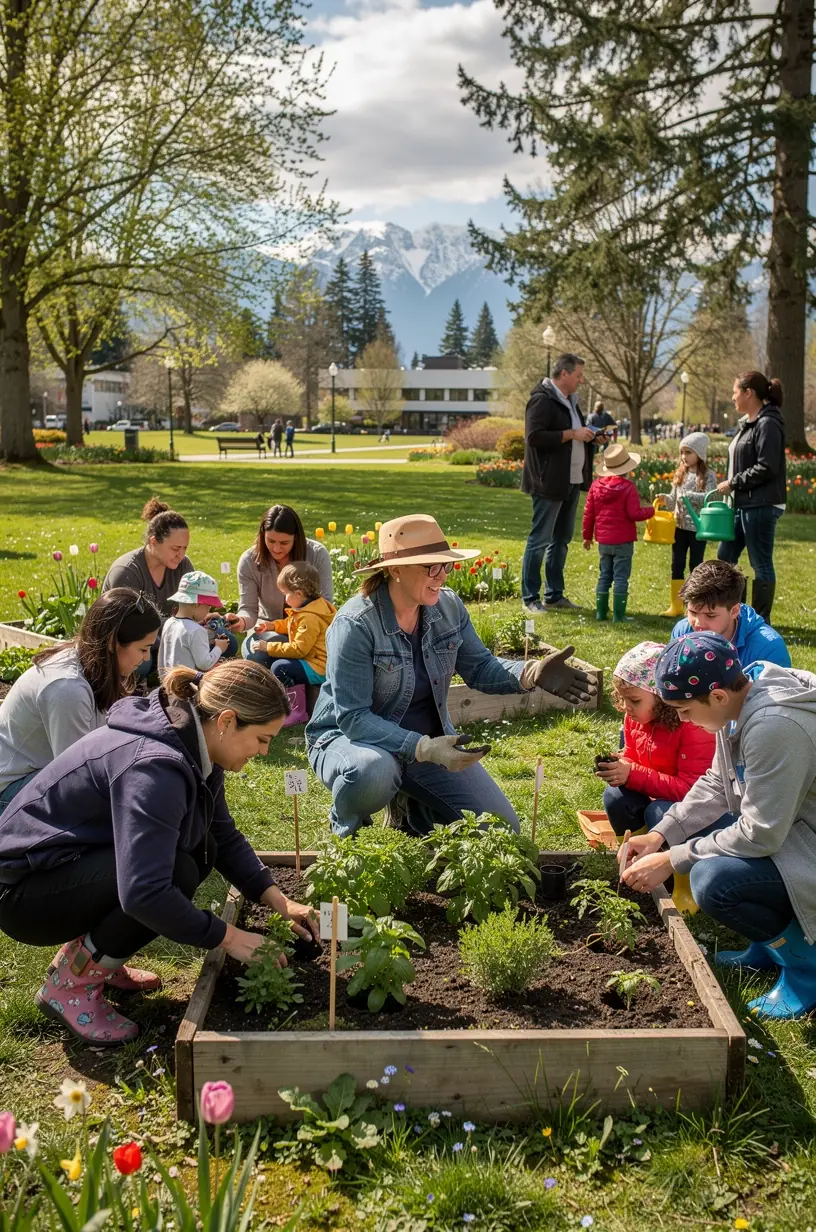
"Healthy soil is the key to healthy plants. Investing time in soil preparation pays off in the long run."
Essential Techniques for Soil Preparation
When preparing your soil, there are several proven techniques that can help ensure optimal growing conditions:
- Testing Soil pH: Experts recommend conducting a soil test to determine pH levels and nutrient availability. Many county extension offices provide soil testing services, which can help tailor amendments to your specific needs.
- Incorporating Organic Matter: Adding organic materials, such as compost or well-rotted manure, can improve soil structure and fertility. Studies show that incorporating organic matter can enhance soil health by providing essential nutrients and improving water retention.
- Tilling and Aeration: Light tilling can help break up compacted soil, promoting better root growth. However, it's important to avoid over-tilling, as this can disrupt soil structure and microbial life. Experts typically suggest minimal disturbance for healthy soil ecosystems.
Best Practices for Successful Soil Preparation
To maximize the effectiveness of soil preparation, consider the following best practices:
- Timing: Soil preparation is most effective when done ahead of planting season, ideally 2-4 weeks prior. This allows time for amendments to integrate into the soil.
- Layering: When preparing your garden bed, consider layering compost or mulch on top of the soil rather than mixing it in. This can enhance moisture retention and provide a habitat for soil organisms.
- Regular Maintenance: Soil health is not a one-time effort. Regular amendments and practices, such as crop rotation and cover cropping, can help sustain soil health over time. Studies indicate that gardens practicing regular maintenance can yield 20-30% more produce compared to those that do not.
Acknowledging Limitations
While these techniques can improve soil health, they typically require an investment of time and effort. Learning about soil characteristics and suitable amendments may involve a learning curve, especially for novice gardeners. Additionally, some methods may not be suitable for all climate conditions or specific gardening goals.
Conclusion
Effective soil preparation is fundamental for successful gardening. By understanding the composition of your soil and employing practical techniques such as testing pH, adding organic matter, and maintaining best practices, you can create a thriving growing environment. This approach not only aids in the health of your plants but also enhances your overall gardening experience. Remember, investing time in soil preparation today will lead to fruitful harvests tomorrow.
Learn More