Integrating Sustainable Practices in Gardening Education
As gardening education evolves, the need for sustainable practices has become increasingly vital. This article explores how seasonal gardening schools can effectively incorporate sustainability into their structured planting and care programs, providing valuable insights for aspiring gardeners.
Understanding the Basics of Sustainable Gardening
Sustainable gardening involves practices that promote ecological balance, conserve resources, and minimize environmental impact. According to the United States Environmental Protection Agency, sustainable gardening techniques can aid in reducing water usage and enhancing plant resilience. Many experts recommend starting with a soil health assessment, as healthy soil is the foundation of productive gardening.
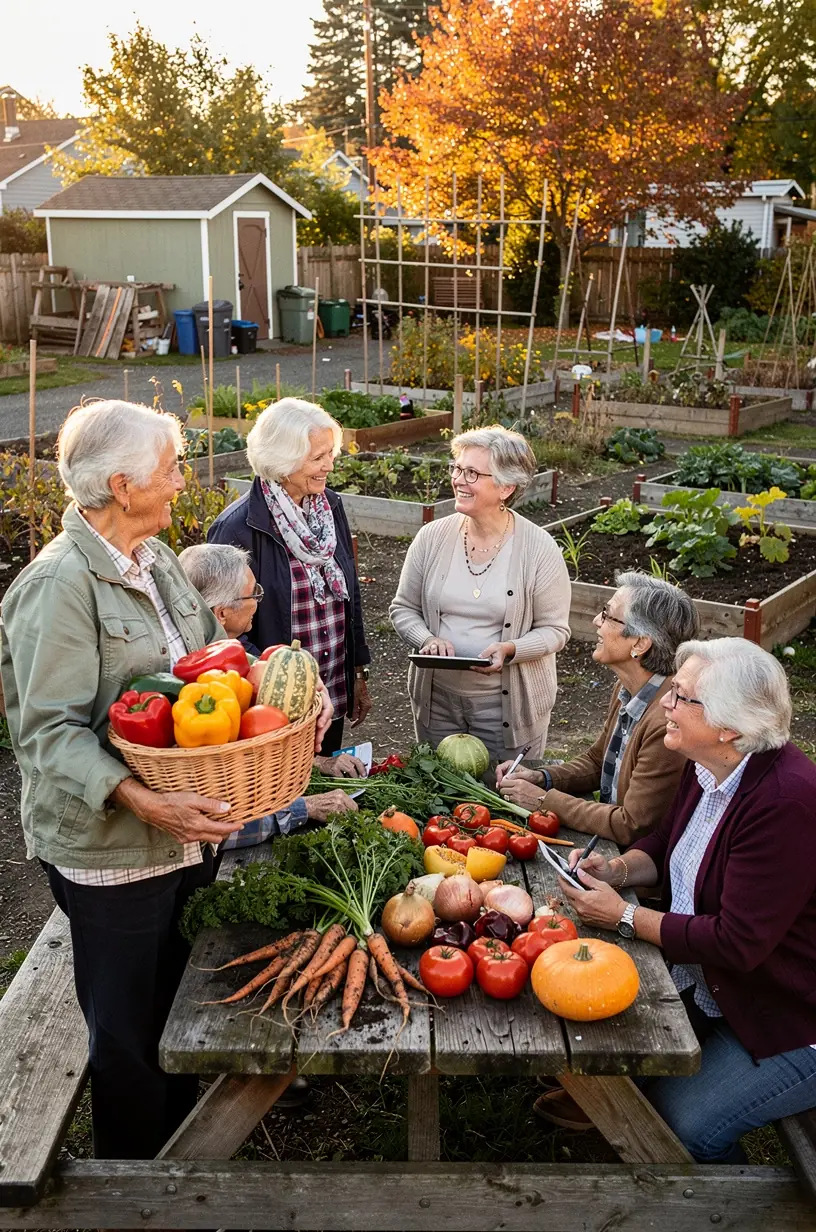
"Sustainable practices not only benefit the gardener but also contribute positively to the environment." - National Gardening Association
Key Sustainable Practices to Teach in Gardening Education
Integrating sustainable practices into gardening education involves several key elements:
- Crop rotation: This method helps prevent soil depletion and reduces pest infestations. Studies indicate that crop rotation can improve yields by 10-20% in many cases.
- Composting: Utilizing organic waste to create compost enriches soil fertility. Many users report that composting their kitchen scraps has significantly improved their garden's health over time.
- Water conservation: Techniques such as drip irrigation and rainwater harvesting can be emphasized. Research shows that these methods can reduce water usage by up to 50% compared to traditional watering methods.
Challenges and Limitations
While these sustainable practices are beneficial, they do come with challenges. Implementing a crop rotation system typically takes a few seasons to establish. Additionally, composting requires a commitment to manage the compost pile effectively, which might involve a learning curve. Educators should set clear expectations for the time and effort needed.
Practical Applications in Seasonal Gardening Schools
Incorporating sustainable practices can be achieved through hands-on learning and structured programs. Here are actionable steps that schools can implement:
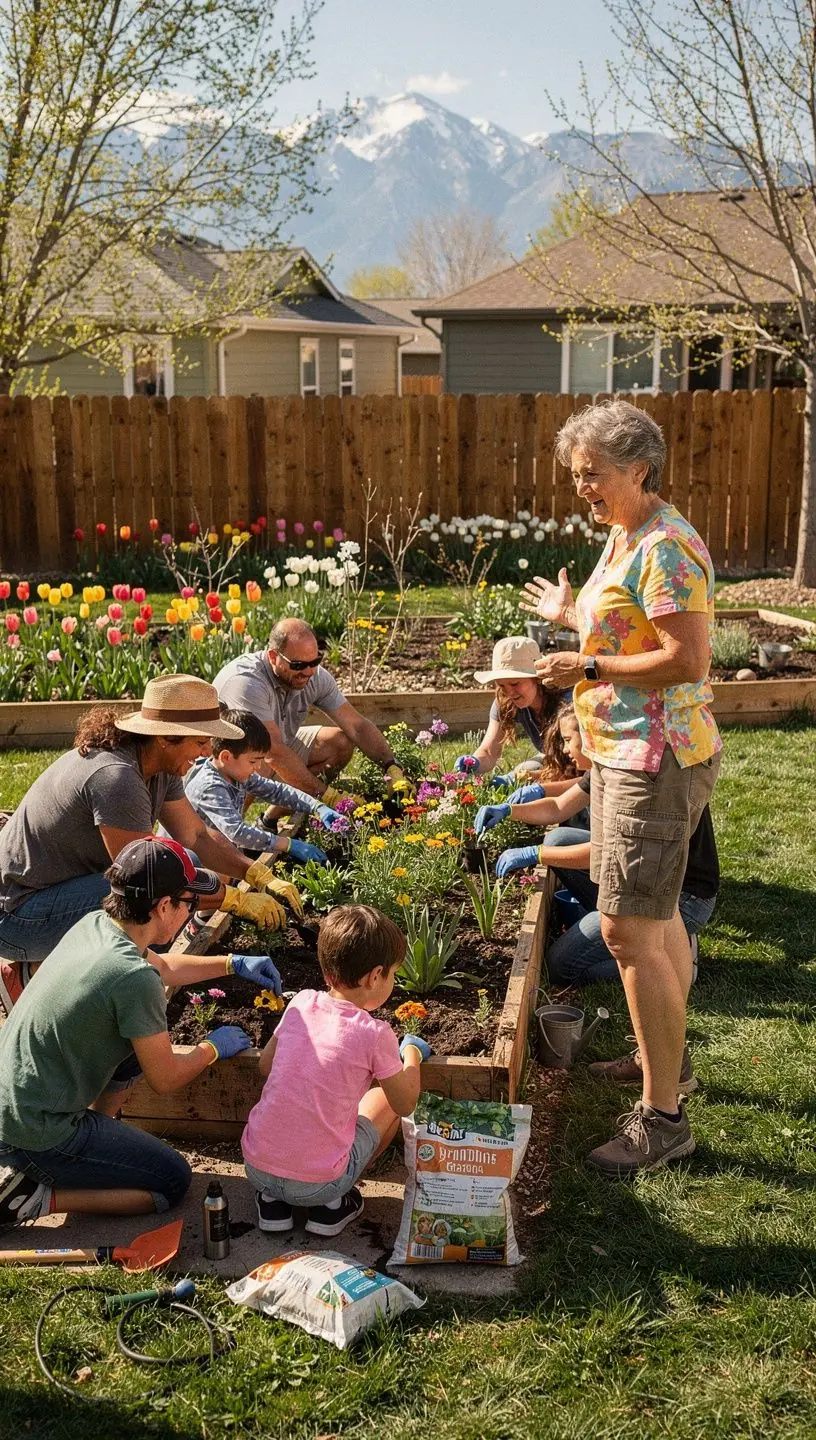
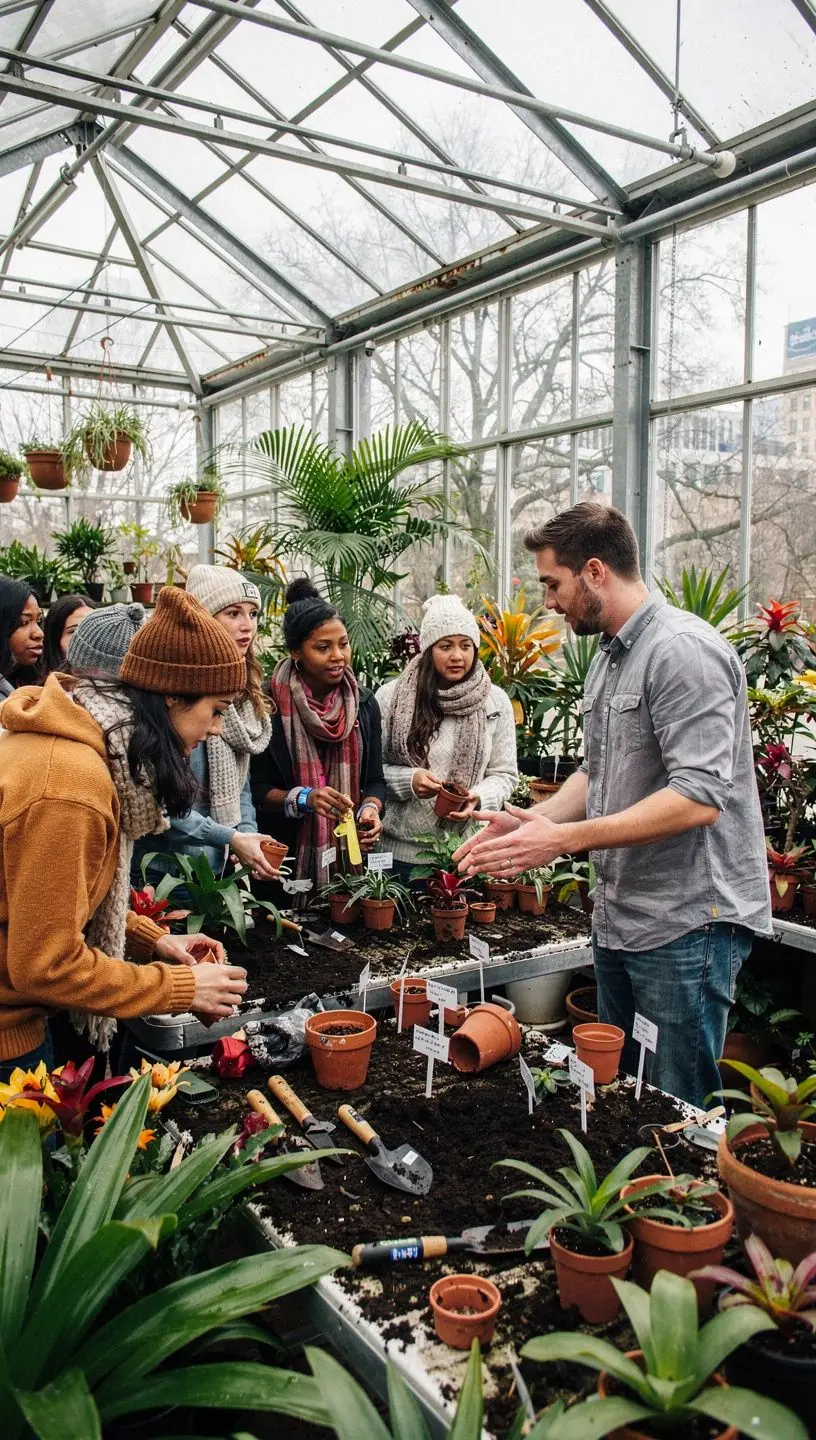
- Workshops: Organize workshops focusing on specific sustainable techniques, such as creating raised beds or constructing compost bins. These workshops should involve interactive components to engage students fully.
- Field trips: Arrange visits to local farms that utilize sustainable practices. Students can observe these methods in action, which helps reinforce their learning.
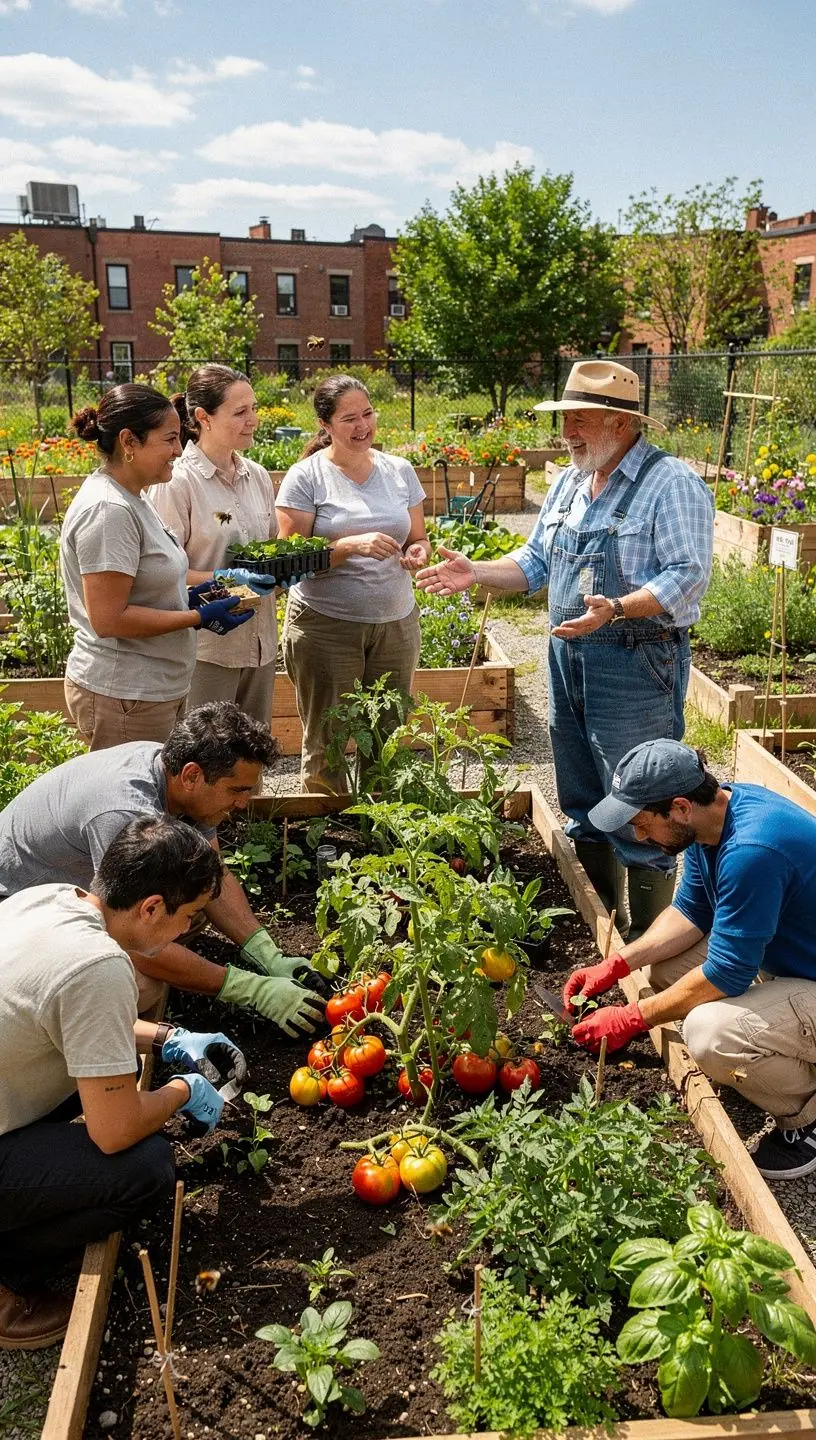
- Community projects: Encourage students to participate in local community gardens where they can apply sustainable practices while contributing to their neighborhoods.
Conclusion
Integrating sustainable practices into gardening education is a crucial step towards fostering environmentally conscious gardeners. By understanding the foundational principles, acknowledging the limitations, and applying practical methods, seasonal gardening schools can create a framework that promotes sustainability. By doing so, they not only benefit their students but also contribute to a healthier planet.