Understanding Seasonal Planting Cycles
Seasonal gardening involves understanding the natural rhythms of plant growth and selecting the right plants for each season. This article will delve into the principles of seasonal planting cycles and provide actionable insights for gardeners in the US.
Understanding the Basics
Gardeners often find that timing is critical when it comes to planting. According to experts in the field, understanding the local climate and soil conditions is essential for successful gardening. This is because different plants have unique growth cycles, typically linked to temperature, sunlight, and moisture availability throughout the year.
"Research indicates that aligning planting times with seasonal weather patterns can enhance plant health and yield."
Seasonal Planting Cycles
Each season presents unique opportunities and challenges for gardeners. The following outlines the typical seasonal cycles:
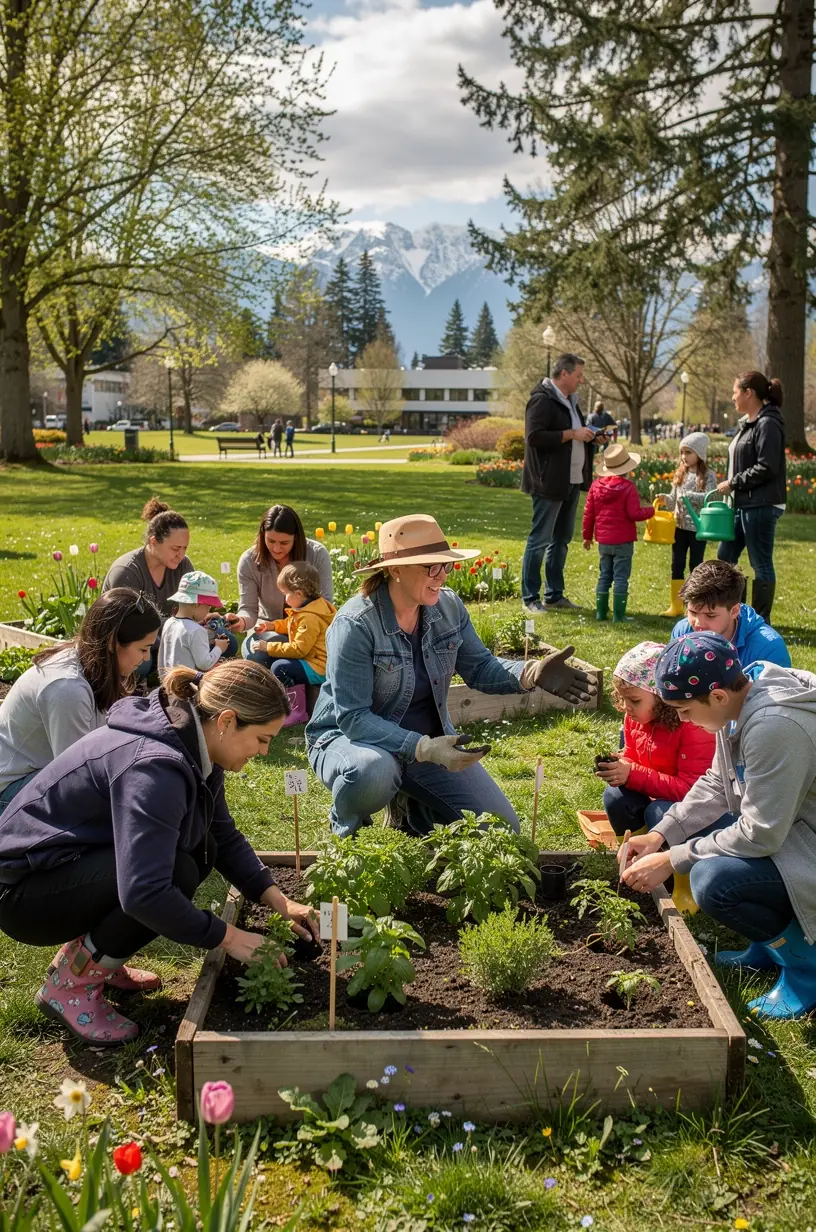
- Spring: This is often the ideal time for planting most vegetables and flowers. The soil begins to warm, typically around late March to early April in many US regions. Experts recommend starting with cool-season crops like lettuce and peas.
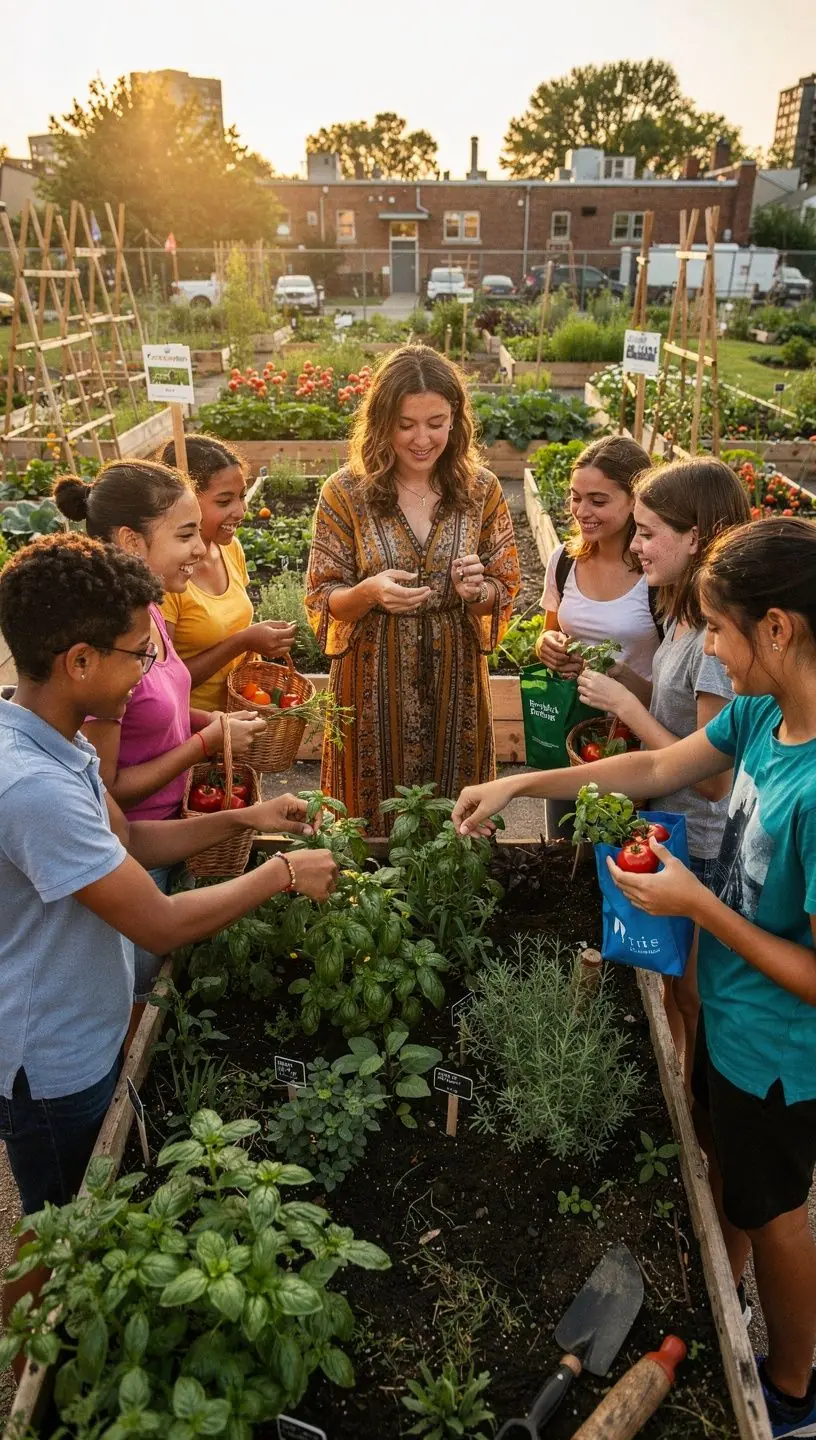
- Summer: As temperatures rise, many gardeners transition to heat-loving plants, such as tomatoes and peppers. This season usually requires more frequent watering, as evaporation rates increase.
- Fall: The fall season is suitable for planting hardy vegetables like kale and carrots that can withstand cooler temperatures. Research shows that these crops often develop better flavors when exposed to frost.
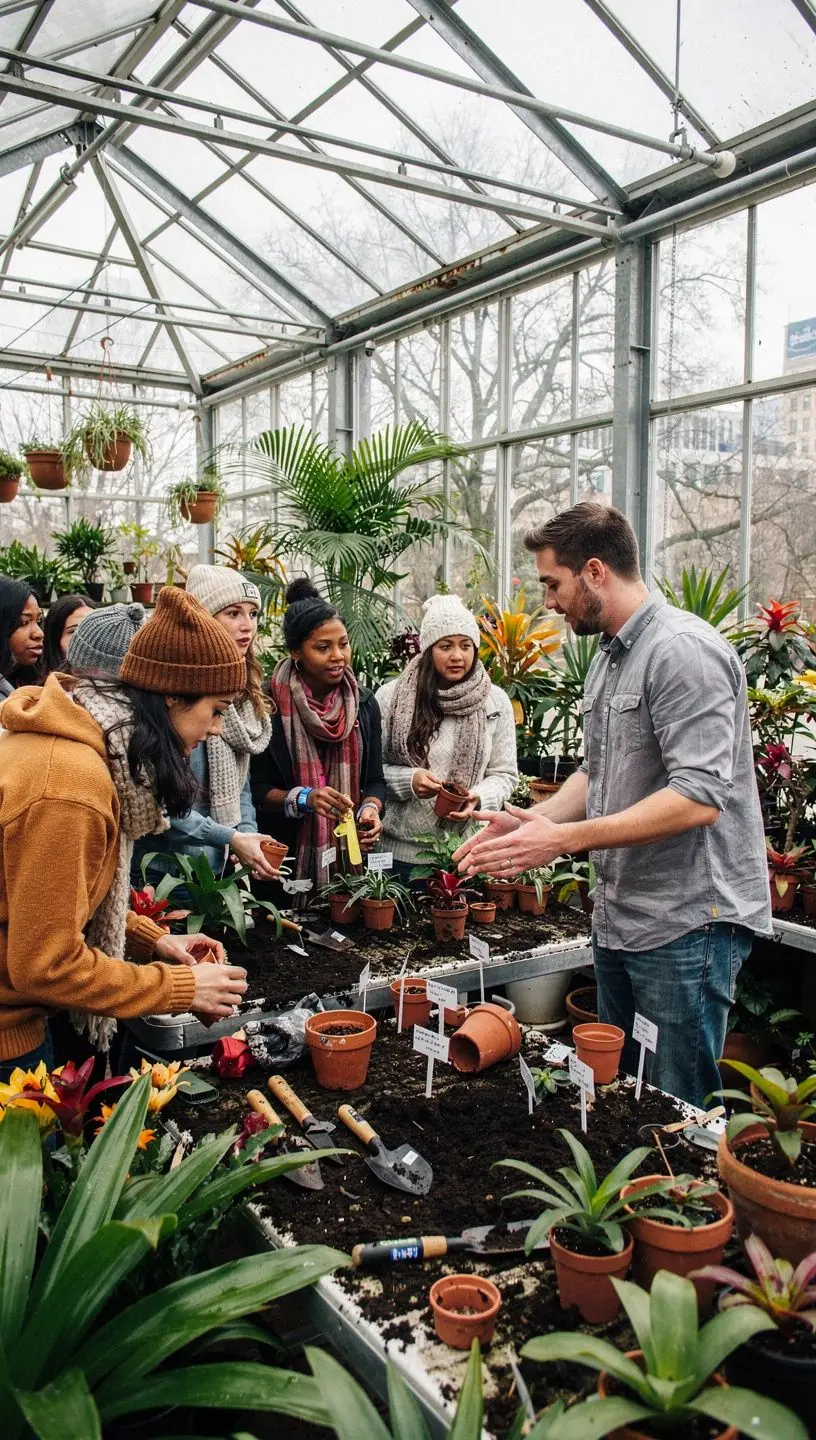
- Winter: While gardening may slow down, winter is a great time for planning next year's garden. Many gardeners engage in soil preparation and select seeds, which often requires reviewing local planting calendars.
Practical Application
To effectively implement seasonal planting, consider the following steps:
- Research Local Climate: Understand your USDA Hardiness Zone, which provides insights into the types of plants that thrive in your area.
- Plan Accordingly: Create a planting calendar that aligns your gardening efforts with the seasonal cycles relevant to your region.
- Monitor Soil Conditions: Regularly check soil temperature and moisture levels, as they can significantly impact seed germination and plant health.
Acknowledge Limitations
It's important to note that seasonal gardening may involve a learning curve, especially for beginners. The time commitment can vary; many gardeners find that establishing a routine requires dedication and consistent effort throughout the year.
Conclusion
Understanding seasonal planting cycles is fundamental for any gardener looking to cultivate a productive garden. By aligning your gardening practices with the natural rhythms of the seasons, you can improve your plant health and overall yield. Take the time to plan and research, and you may find that gardening can be both rewarding and educational.
Learn More