Creating Effective Lesson Plans for Gardening
Developing structured lesson plans for gardening can enhance learning outcomes and improve student engagement. In this article, we explore effective strategies for creating lesson plans that cater to various learning styles while acknowledging the time and effort involved.
Understanding the Basics of Lesson Planning
Effective lesson planning is essential in educational environments, especially in gardening schools. According to research from the National Gardening Association, structured lesson plans help instructors deliver content more efficiently and foster better student understanding of horticultural principles. An effective lesson plan typically includes objectives, materials, procedures, and assessments, allowing educators to track progress and adjust as needed.
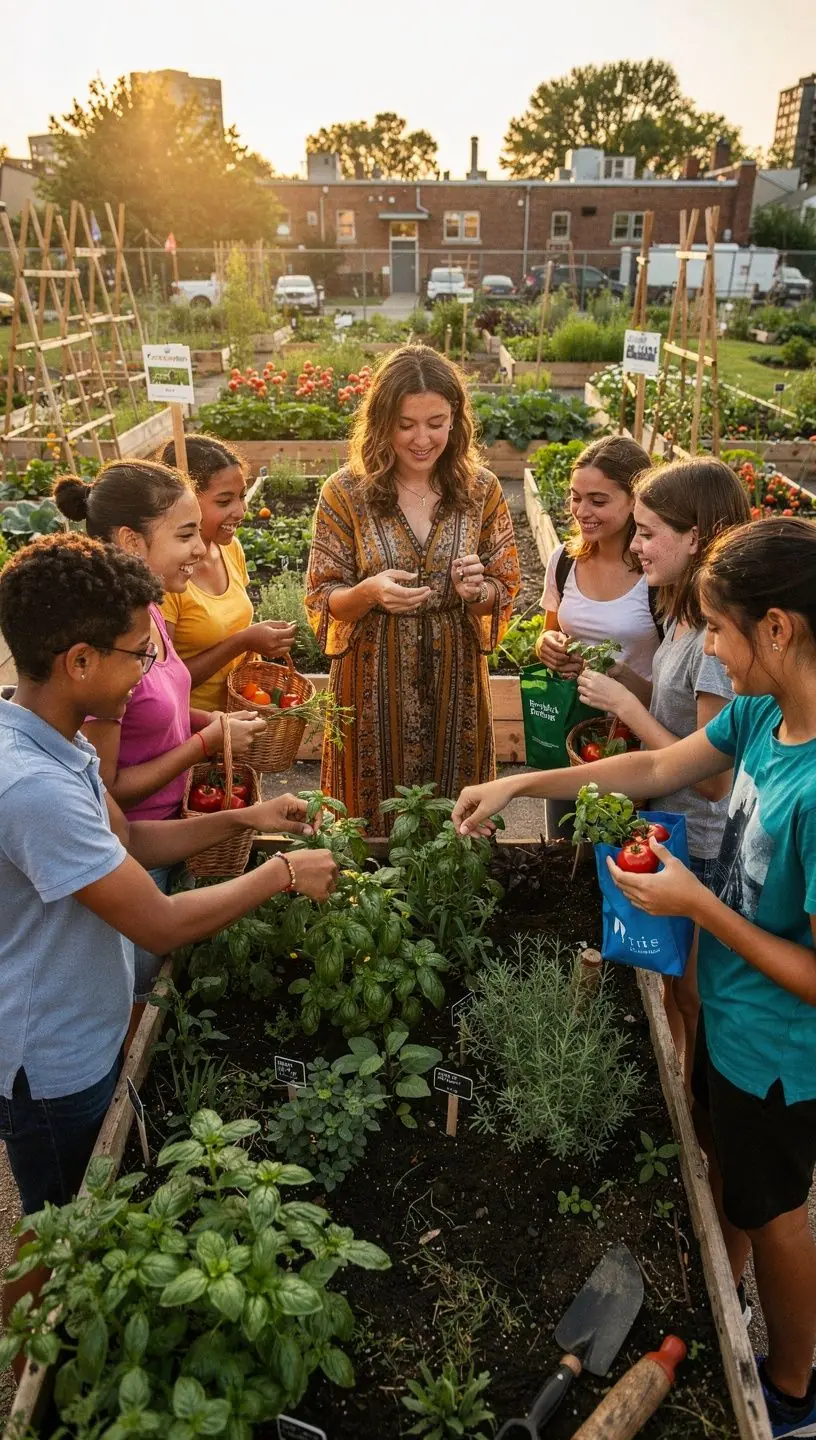
"A well-structured lesson plan can facilitate a deeper understanding of gardening concepts and enhance student participation." – Gardening Education Expert
Key Components of Effective Gardening Lesson Plans
When creating gardening lesson plans, consider including the following components:
- Clear Objectives: Define what students should learn and achieve by the end of the lesson. Research suggests that well-defined objectives can improve focus and retention.
- Materials and Resources: List all necessary tools and resources. Many educators recommend using hands-on materials to enhance practical learning experiences.
- Step-by-Step Procedures: Outline the lesson in a logical sequence. This should include instructions for activities, allowing students to follow along easily.
- Assessment Methods: Determine how to evaluate student understanding. Experts recommend various methods, including quizzes, practical demonstrations, or group discussions.
Incorporating Different Learning Styles
Students often learn differently; therefore, it’s important to incorporate various teaching methods. According to a study by the U.S. Department of Education, engaging students through visual, auditory, and kinesthetic activities can enhance learning outcomes. For example:
- Visual Learners: Use diagrams, videos, or presentations to illustrate concepts.
- Auditory Learners: Incorporate discussions and lectures to reinforce learning through listening.
- Kinesthetic Learners: Allow hands-on activities such as planting seeds, which can significantly enhance retention.
Time Commitment and Practical Considerations
Creating effective lesson plans can be time-consuming; typically, it requires 2-4 hours of preparation for each lesson, depending on the complexity of the material. Additionally, educators should consider:
- This process involves a learning curve, particularly for new instructors.
- Effective lesson plans may require regular updates based on student feedback and learning outcomes.
- Collaboration with other educators can provide valuable insights and improve lesson quality.
Conclusion
In summary, developing effective lesson plans for gardening requires careful consideration of various factors, including student learning styles, clear objectives, and practical activities. While this process may require substantial time and effort, the benefits of improved student engagement and understanding make it worthwhile. By following these guidelines and incorporating research-backed methods, educators can create impactful learning experiences for their students.
Learn More