How to Assess Student Progress in Gardening
Assessing student progress in gardening is essential for both educators and learners. Understanding how to evaluate growth, skills, and knowledge can enhance learning experiences and ensure effective teaching methods are implemented.
Understanding the Importance of Assessment
Assessments in gardening education serve multiple purposes. They help identify areas where students excel and where they may need additional support. Experts recommend continuous assessment to track student development and adapt teaching strategies accordingly. Research indicates that formative assessments can significantly improve student outcomes, as they provide ongoing feedback that is crucial for learning.
"Assessment isn't just about grades; it's about understanding each student's growth journey." - Gardening Education Expert
Types of Assessments in Gardening Education
There are various methods to assess student progress in gardening. Each type has its strengths and may be appropriate in different contexts:
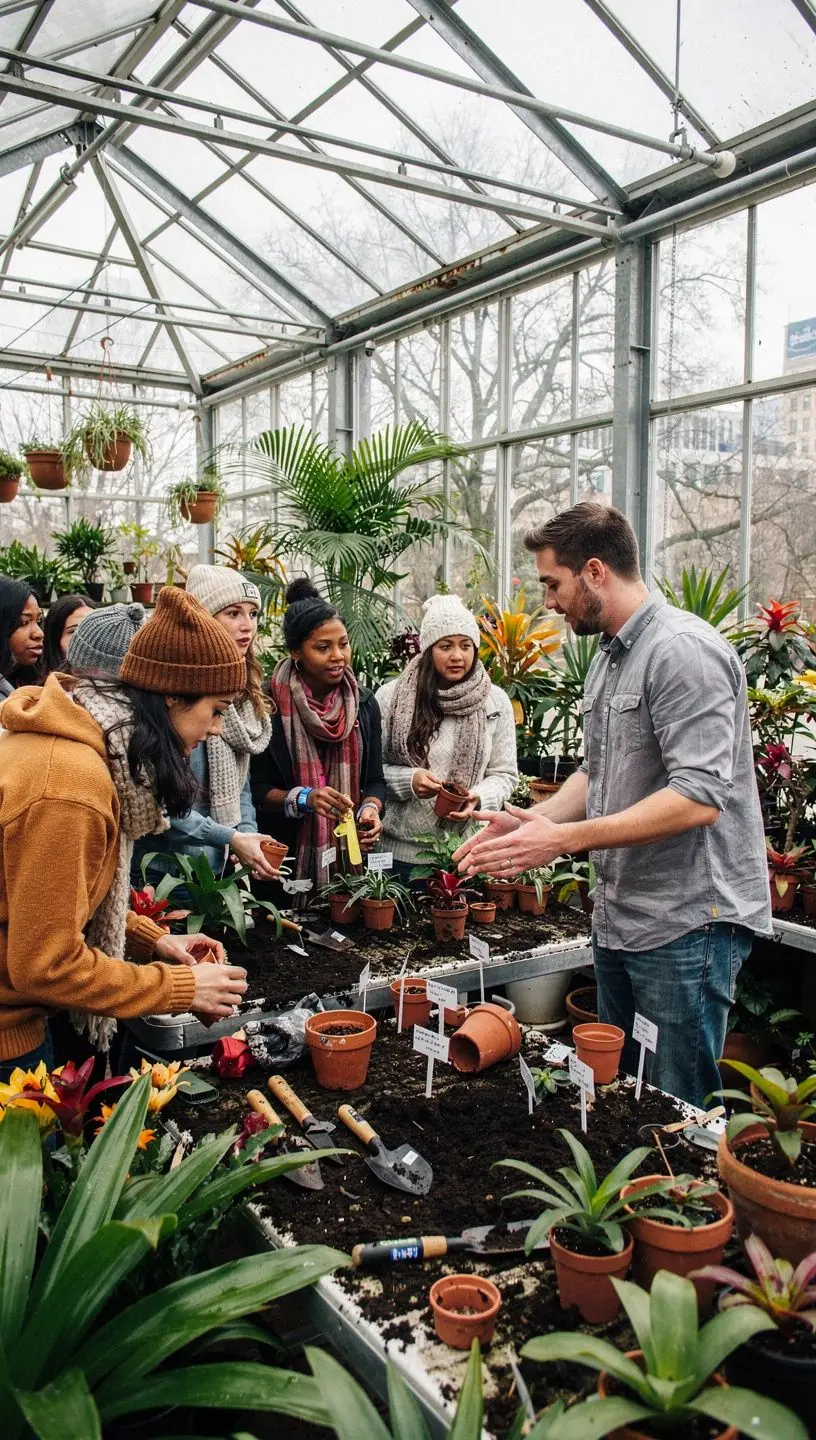
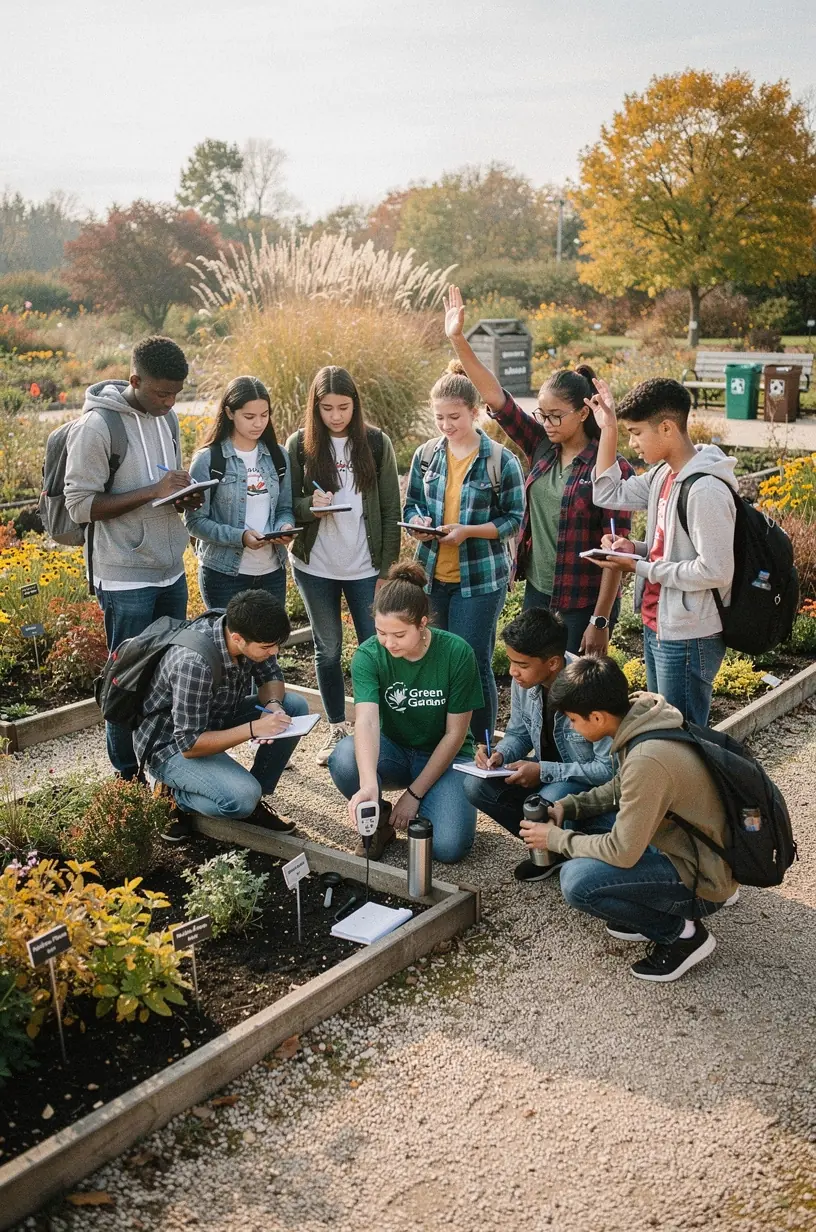
- Practical Assessments: Observing students during hands-on activities can provide insight into their skills and understanding. This approach is commonly used because it directly relates to the tasks they will perform in real gardening scenarios.
- Quizzes and Tests: Written assessments can gauge theoretical knowledge about plants, ecology, and gardening techniques. While some students may not perform well in traditional tests, these assessments can still provide valuable information about their understanding of key concepts.
- Portfolios: Encouraging students to maintain a gardening portfolio can be an effective way to track learning progress over time. A portfolio may include photos of projects, reflections, and documented experiences, which can help illustrate growth and learning outcomes.
Implementing Assessments Effectively
To assess student progress effectively, consider the following practices:
- Set Clear Goals: Establish what skills or knowledge you want students to gain by the end of the course. Having clear objectives helps in designing assessments that genuinely reflect student learning.
- Provide Feedback: Offering constructive feedback is crucial in helping students understand their strengths and areas for improvement. This feedback loop encourages them to engage with the material actively.
- Use a Variety of Assessment Methods: Combining different assessment types can provide a more comprehensive view of student progress. The use of practical assessments alongside written tests often yields the best results.
Acknowledging Limitations
While assessment is an invaluable tool, it does have its challenges. For instance, practical assessments typically require more time to evaluate than traditional tests. Additionally, some students may experience anxiety during assessments, which can impact their performance. Understanding these limitations can help educators customize their assessment strategies to be more inclusive and supportive.
Conclusion
Assessing student progress in gardening is not only about measuring knowledge and skills; it's about fostering growth and development. By implementing a variety of assessment methods and focusing on providing constructive feedback, educators can create a supportive learning environment. Remember, the goal is to enhance student learning experiences, which typically leads to better outcomes in both gardening skills and a deeper appreciation for the art and science of gardening.
Learn More