How to Design a Year-Round Garden
Designing a garden that thrives throughout the seasons can be a rewarding yet challenging endeavor. With careful planning and an understanding of seasonal cycles, you can cultivate a beautiful and productive garden year-round.
Understanding Seasonal Gardening
Seasonal gardening involves selecting plants that are suited to grow in specific seasons. Experts recommend understanding your local climate, soil types, and the specific needs of various plants to create a successful year-round garden. This approach not only maximizes the productivity of your garden but also enhances biodiversity and soil health.
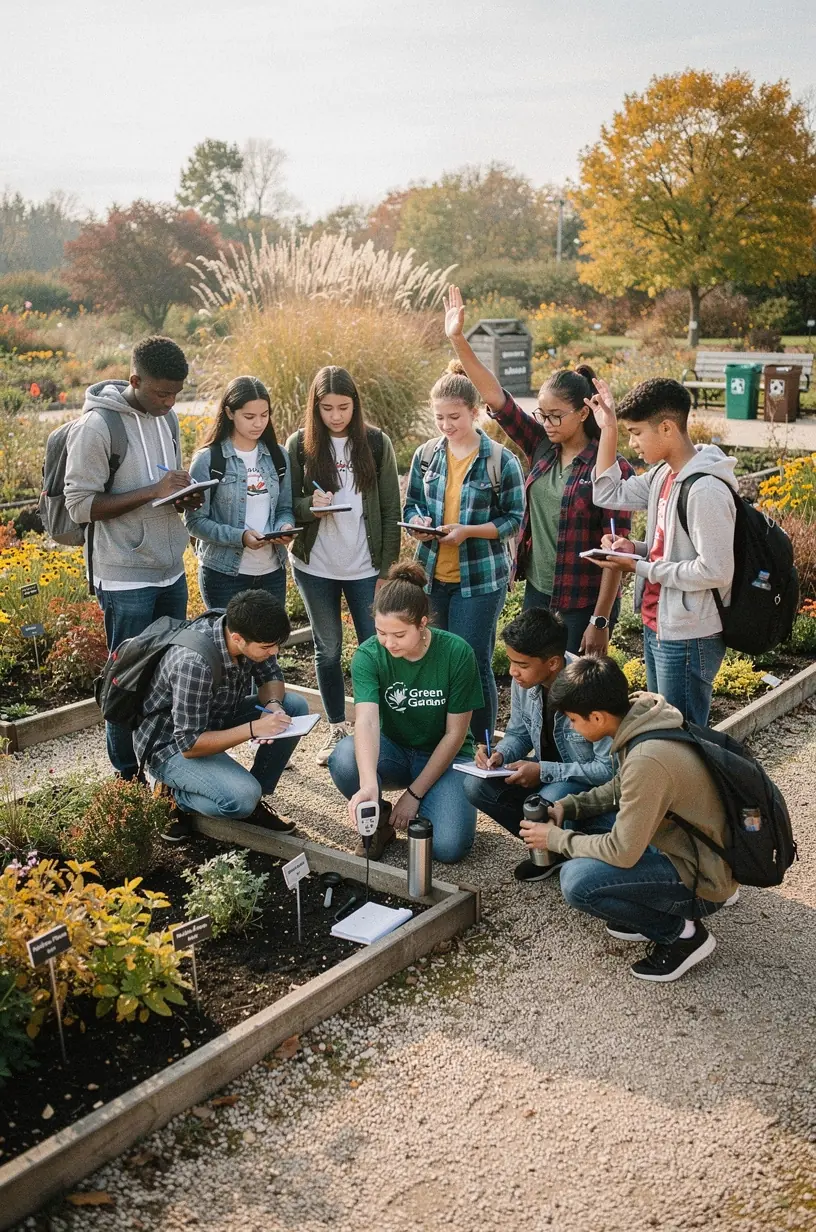
"A well-planned garden can produce a variety of crops throughout the year, benefiting from seasonal variation and extending harvest periods." - Gardening Expert
Step-by-Step Guide to Designing Your Year-Round Garden
- Assess Your Space: Begin by evaluating the space you have available for gardening. Consider factors such as sunlight exposure, soil quality, and water accessibility. This assessment typically takes about a week to fully understand how sunlight shifts throughout the day and seasons.
- Select Appropriate Plants: Choose a mix of annuals, perennials, and even some biennials. Research indicates that incorporating a variety of plants can enhance resilience against pests and diseases. Specific plants thrive in different seasons; for instance, cool-season crops like kale and spinach are well-suited for fall and spring, while tomatoes and peppers flourish in the summer.
- Plan for Succession Planting: This technique involves planting crops in intervals to ensure a continuous harvest. Many users report that such an approach can extend the growing season by several months. For example, after harvesting early crops in spring, you might follow up with summer crops like beans or cucumbers.
- Implement Seasonal Care Routines: Different seasons require distinct care routines. In spring, for instance, your focus will be on planting and nurturing seedlings, while in fall, you may need to prepare your garden for winter. Seasonal care typically involves tasks such as mulching, composting, and adjusting watering schedules based on rainfall patterns.
- Utilize Companion Planting: Pairing certain plants can discourage pests and enhance growth. Research indicates that companion planting can improve yields; for example, planting marigolds with vegetables can help deter certain pests. This method requires some planning and knowledge of plant relationships but can significantly benefit your garden.
Tools and Resources for Successful Gardening
To support your gardening efforts, consider using various tools and resources, such as:
- Gardening Apps: These can help track planting schedules, weather changes, and pest alerts.
- Soil Test Kits: Understanding your soil’s pH and nutrient levels is crucial for selecting the right plants.
- Local Extension Services: Many regions have extension services that offer free resources and advice tailored to local climates.
Conclusion
Creating a year-round garden is a practical endeavor that requires planning, knowledge, and commitment. By understanding your local environment and employing effective gardening techniques, you can cultivate a thriving garden that provides beauty and sustenance throughout the seasons. While results may take time—typically several growing cycles—many gardeners find the rewards well worth the effort.
Learn More